
Building a Security-Aware Workforce
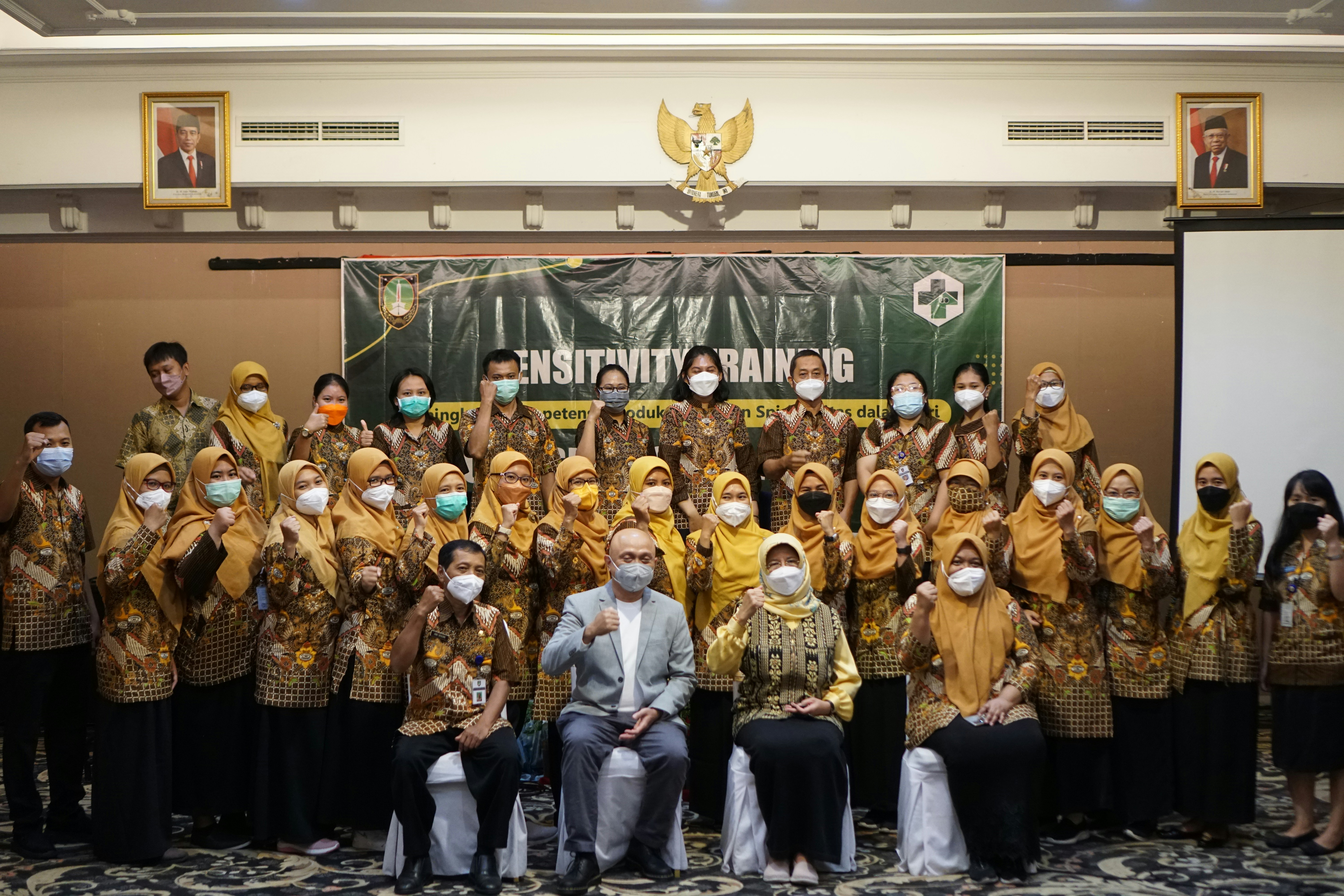
Human error remains one of the primary vectors for successful cyberattacks. Building a security-aware workforce is no longer just a compliance requirement; it is a critical strategic imperative.
Beyond Annual Training
A successful security consciousness program transcends traditional annual training presentations, focusing instead on continuous engagement, practical application, and sustained behavioral change. The goal is to transform employees from the weakest link in the security chain into an active, vigilant human firewall.
Effective training program design must be tailored, interactive, and highly relevant to the employee's specific role. Phishing simulations are a cornerstone of modern awareness programs, safely exposing staff to realistic social engineering tactics.
Addressing Common Pitfalls
Common employee security mistakes include password reuse, improper handling of sensitive data, bypassing technical controls for convenience, and falling victim to urgency-based social engineering. Addressing these requires a fundamental shift in corporate culture.
The role of leadership is paramount; executives must visibly champion security initiatives and model secure behaviors.
Measuring Effectiveness
Measuring training effectiveness relies on actionable security awareness metrics. Beyond mere completion rates, organizations should track the click-rate on phishing simulations, the reporting rate of suspicious emails, and the frequency of policy violations.
Incentive programs that recognize and reward employees who proactively identify and report security threats significantly boost engagement and morale.
Conclusion: Empowering the Human Firewall
Fostering a blame-free reporting environment is essential; employees must feel comfortable reporting their own mistakes immediately without fear of punitive action. A supportive, educated workforce will always serve as an organization's most dynamic and effective line of defense.
